

This post may contain affiliate links.
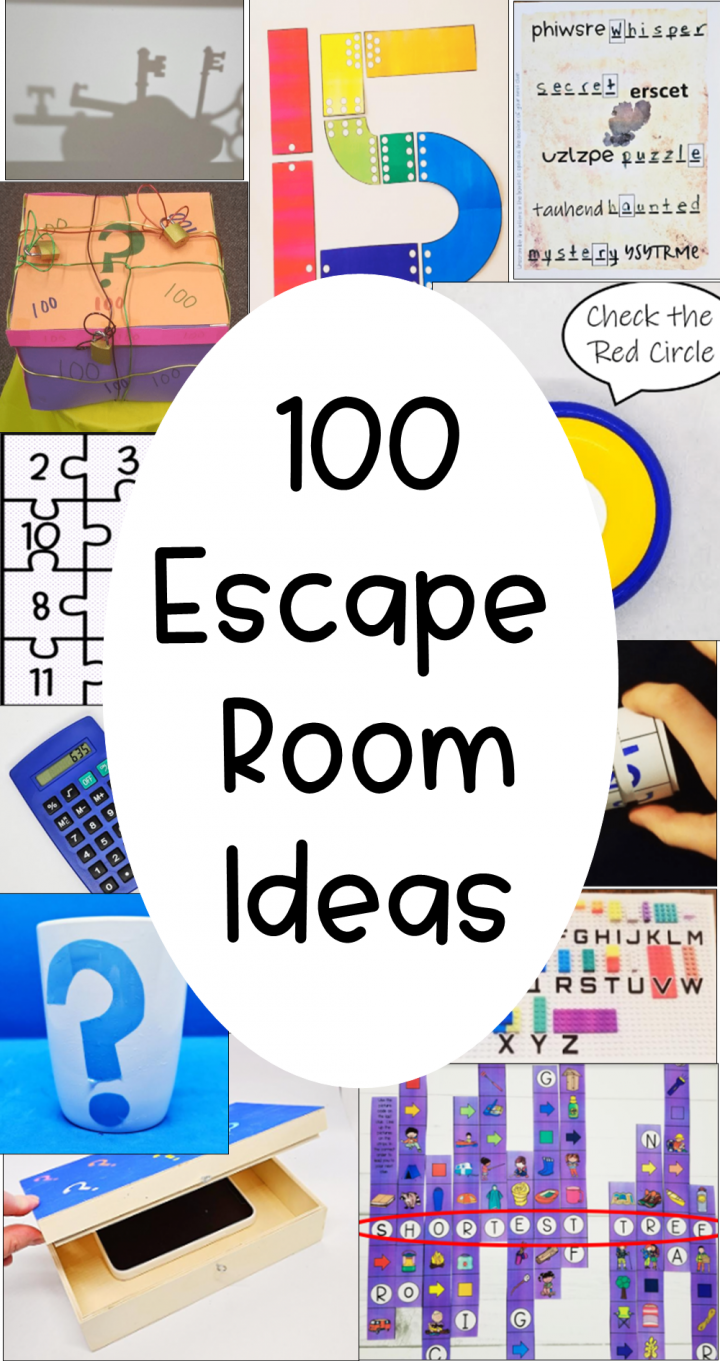
You have one hour to escape. Can you do it? Creating an escape room has never been easier with this huge collection of the 100 Best Escape Room Ideas. Look through the collection below for hands-on puzzles, free printables and unique clues everyone will love. You’ll get lots of inspiration to create your own escape room.
Creating your own escape room game allows you to not only play in the convivence of your own home, but you can also choose puzzles that you think your children will most love. Making an escape room doesn’t have to be expensive. Chose puzzles that fit a theme and use materials that you already have available to you.
Below you will find the ultimate collection of escape room ideas for puzzles and clues that you can make and use for your own game. Play at home or in the classroom and turn any room into an adventure. An advantage to creating your own escape room is that your room doesn’t have to run perfectly. Allow players to make mistakes and take their time to solve all of the puzzles and enjoy the experience together.
How to Make an Escape Room
Before looking at all of the ideas below, first consider the group that you are creating for. How many people will be playing your game? Does your group have experience with escape rooms, or will this be their first one?
If you only have one person doing the escape room, you can choose to includes less clues. If you have a large group, more clues work better so everyone gets a chance to solve the puzzles.
Generally an escape room will have anywhere from five to ten, or more puzzles. Look below and make a list of the puzzles you love. Consider which clues use materials that you already have on hand, and then clues that you think your players will enjoy.
Once you have chosen your clues, the next step is finding a way to connect each clue to the next. This may be through a number combination, or a word suggesting the location of the next clue. Check out some full escape room games, to get ideas and to help with how to set up your game.
- Make Your Own Escape Room
- DIY Escape Room for Kids
- 40 DIY Escape Room Ideas
- Free Printable Escape Room for Kids
Below you will find all of the ideas for escape room puzzles. They have been placed into groups to help organize the different materials. Look through for lots of inspiration. Each idea includes a short description. Many of the idea are open to interpretation so you can change and create your puzzle in any way that makes sense to you. Think of the ideas below as a jumping board for ideas.
Escape Room Ideas Using Keys
Keys are often an essential part of an escape room. The ideas below each include a key, in different and unique ways. Great escape rooms include a variety of materials, but if you love the ideas with keys and only want to use key clues, then your escape room will be great!
Place a group of keys in a pile on a table, or placed throughout the room. Players have to find and test each of the keys until they find the right key to open a locked box. This is a great way to start off a room!
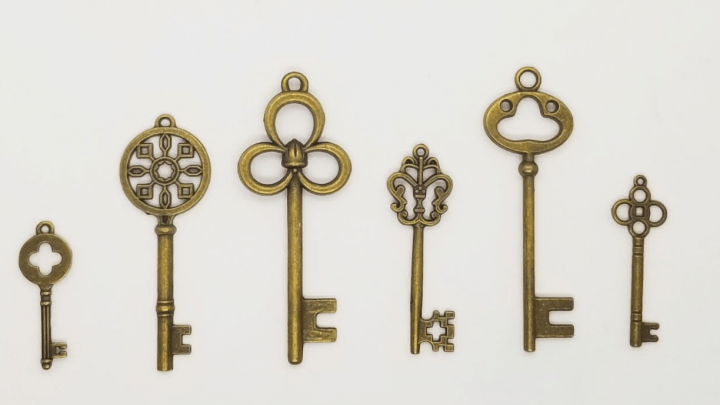
Include a variety of keys that have different features. Give a list of descriptions so that only one key fits the descriptions and players have to use the clues to eliminate the other keys. The final key can open a lock, have a special word, or the location of the next clue secretly written on it.
Use a piece of dough or clay and press a key into the material to leave a print. Give players a bunch of keys for them to find the key that left the print. Keep in mind some dough will shrink the print as it dries. This can still work as players will inspect the markings to find the right key. Many clay, such as polymer, won’t shrink as it dries.
Attach a key to a string and lower it into a small location. Players must find the string end and then pull up their key up.
Key Alphabet Puzzle
Using a variety of 26 different keys, match each key to a letter of the alphabet. Give players a puzzle with pictures of the keys that players then need to match in a specific order. Once matched, each key has a letter that together spells out a code/word.
Include various locked boxes around the room. Paint the key and matching lock the same color for players to find and match during the game.
Place a key inside a locked box in the room, but hide the key either on the underside of the box or under a false bottom. Players may even inspect the box and open it during another clue, but the key is left undetected until specifically directed to it in a later clue.
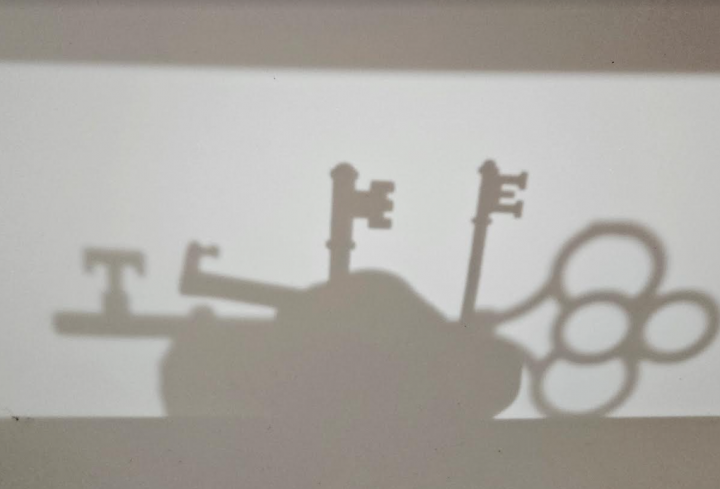
If you have a collection of fancy keys, look if any of the keys have letter shapes on them. Have players shine a light on the keys to create a shadow and show the letters. Players can be told how to place the keys to create the specific word.
Place a key in a jar of water. Players are told that they are not allowed to open the jar to take out the key. They must find a magnet in another clue and then drag the key up and out of the jar.
Secure a key for a locked box in the room somewhere in plain sight, such as the bottom of a door or taped to a table leg. The key should be visible when players know where to look. Often players won’t inspect the room for obvious clues, but it’s fun when they realize that the clue they needed has been there the whole time – in plain sight.
Escape Rooms using Building Blocks
Lego, or plastic building blocks are great for escape room puzzles. There are lots of ways to use these blocks for different clues and kids love them so they’re drawn to puzzles that use them. Check out the clues below in more detail here. It’s fun for kids to use and view these toys in a whole new way.
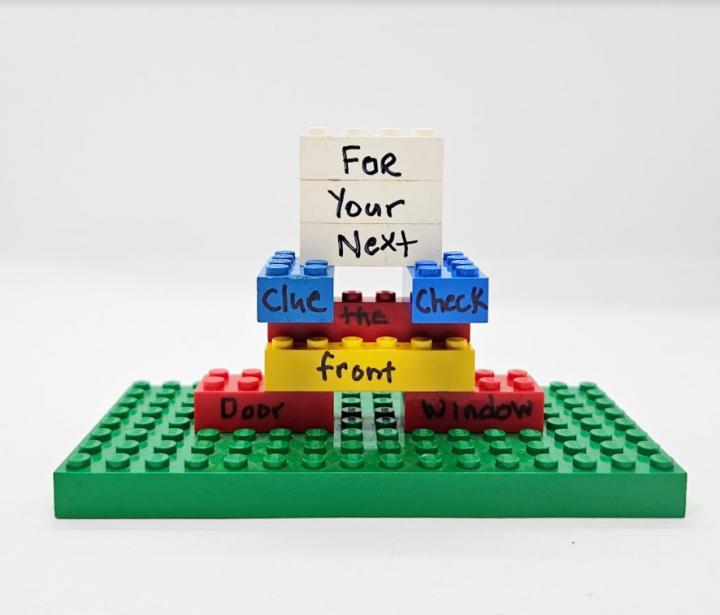
Give kids a bunch of building blocks in a bin. On each block, print a word. On a few blocks print a specific message. Remove duplicate pieces that include these key words. Give players a picture of a Lego structure without words written on the Lego. Player have to find the featured pieces and put them together to recreate the image from the picture. Once together, the words on the pieces will spell out the location of the next clue.
Use a large, flat Lego sheet that is intended to build on. With a permanent marker, print the number 1 on the first ‘dot’. Print a few more numbers on other dots by counting it like a grid. Then tell players the locations to place long pieces of Lego. For example, place on 34 – 119. Once placed, this will create a line on the board. You can spell out a word, or a number for a number lock code once several pieces have been placed.
Alphabet Block Code
Create an alphabet code by matching each letter of the alphabet to a different Lego piece. You need at least 26 different Lego pieces for this clue. Make a board so that each piece has a matching letter. Then create a message on a different board using the matching Lego pieces. Players have to match the plastic pieces with the letter from the large board with the full alphabet.
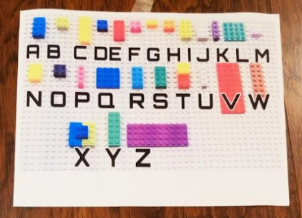
Place a few pieces on a large flat Lego board, and then instruct players where else to place specific pieces. Print, or write on tape, numbers around the outside of the board. One of the numbers is the code for the next lock. Once players finish placing the pieces, it will create a maze with one exit that leads to the correct code on the outside of the board.
Color Coded Clue
In a large bin of pieces, create a code for players to find pieces that match specific colored pieces. For example, remove all but a specific number of black, red and blue pieces. Leave lots of the other colors. Players have to sort through the bin and find all of the specific colored blocks. Players search for all pieces of the special color of block. Once they are all found, the amount of each block is counted and tells players a number for a number lock. (i.e. 3 black pieces, 9 red pieces and 7 blue pieces gives players the code 397 for a lock).
Players find a specific number of plastic blocks and then they find a scale. The amount the scale shows for the weight of all of the pieces, tells the code for a lock. If your scale isn’t sensitive enough to consistently show an exact amount, you can give players a range. (For example, if the weight is less than 50g then the next clue is in a book, if it is 50-75g check the blanket etc.)
Bridge Escape Room Puzzle
Challenge children to build a bridge over a specific path. This is a clue that you would have to watch as players build and judge when they are successful. It’s a good challenge because it can be hard to build. I suggest in preparation of the game, create a bridge that works and then break it down before giving the pieces to players. This way you know players have the blocks they need, but it makes it more challenging by limiting the options by only giving specific blocks.
An important part of an escape rooms is players looking at the puzzles very carefully and finding hidden clues. Inside a Lego block, print a number or word very small. Players have to look very carefully to find the word/number. You can give players clues to help make their search easier, such as “Check the blue blocks.”
Use morse code to create a puzzle. Use just a few blocks to tell players where to go for their next clue. Not all players will know morse code. Place a morse code decoded in the room or give players access to a phone so they can look online to find answers.
Give players a container with pieces and a structure that is fully built. Players have to use the pieces in the bin to recreate the fully built structure. Once they feel they have completed it correctly, the person running the room can check to make sure that it is done properly before allowing players to move on.
Unique Escape Room Puzzles
I love creating escape rooms using simple materials from around my house, often you can use these materials in a unique way to make your game even more memorable. The ideas below involve a special idea that players probably haven’t seen before. Adding even one or two puzzles that sound exciting to you can make your whole room more exciting.
Use a UV pen to create a message on a wall, ceiling or random sheet of paper in the room. Simply looking around the room for the clue will not help players find it. They’ll need to find the UV light in order to solve the puzzle.
If you know a player, or two who knows morse code, have a light or message left in the room in morse code. If you’re unsure if any of your players will be able to solve it, leave a page somewhere in the room with morse code on it for them to use to decode the message.
Cell Phone Clue
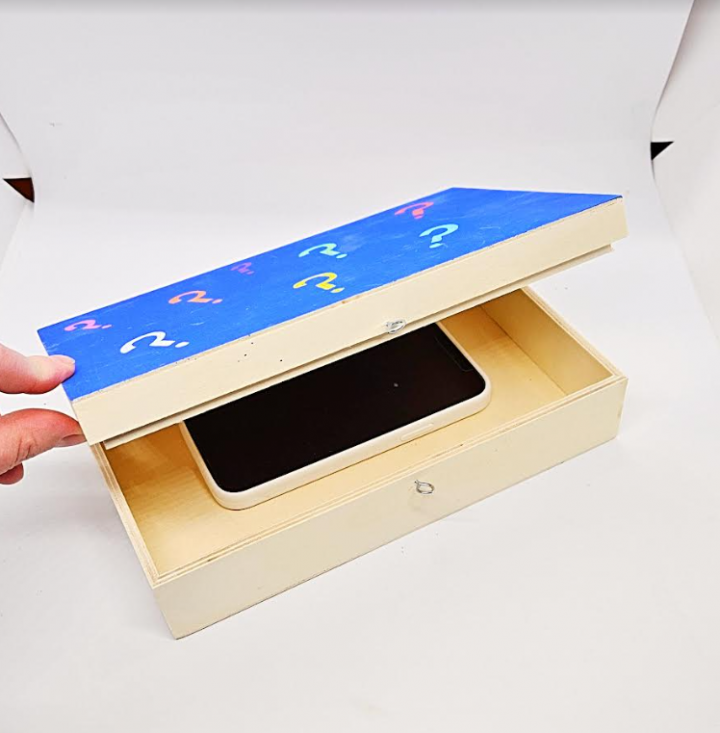
Use a cell phone in your game. Inside a locked box, or simply placed in the room, set a cell phone. When players turn on the phone, the lock screen will reveal a message or code. You can also choose to lock the phone and the previous clue provides the password to open the phone.
Provide a clue in another language. Players must use google translate or another program to be able to read the clue.
A chess game, and pieces are set in the room. Players find a story that includes each of the moves previous players made in a past game. Players replay the game, following their steps to solve a puzzle.
Use a laser pointer that points to the location of the next clue. Players follow instructions for the exact location that the pointer needs to be placed.
Printable Puzzles Freebies
If you want to create an escape room, but like the idea of having all of the puzzles made for you, check out these ideas below of free, fully printable escape room games. All of the printables featured below are free for subscribers and subscribing is free! Each description in this section includes a link to a connected post so that you can grab the free printables.
Start with a pop star escape room. If you have kids who love everything glitter and glam, makeup and sleepover themed, they’ll love this party game. See it here: Free Printable Escape Room for Tweens
If you have younger children wanting the experience of an escape room, but without the struggle/challenge of a regular escape room, this free printable escape room game is created specifically for kids.
Challenge young children with puzzles that are created at their level. They can understand what they need to do to solve each puzzle and can think critically to figure it out. Try this free printable game.
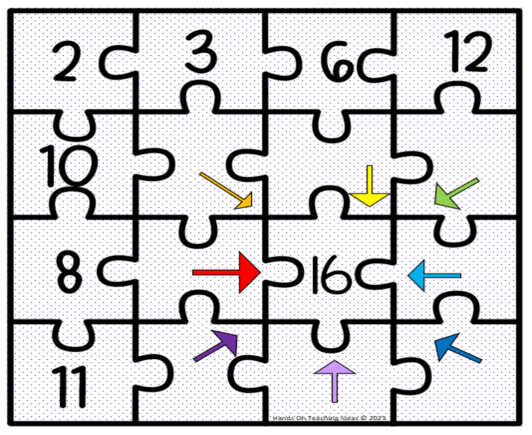
For a more challenging, spooky, but not scary printable game, grab the popular mystery manor activity: Best Free Escape Room for Kids
Turn any room into a place of adventure. Print and play in minutes and it makes a great family game. All of the puzzles are printable and free: Free Printable Escape Room for Kids
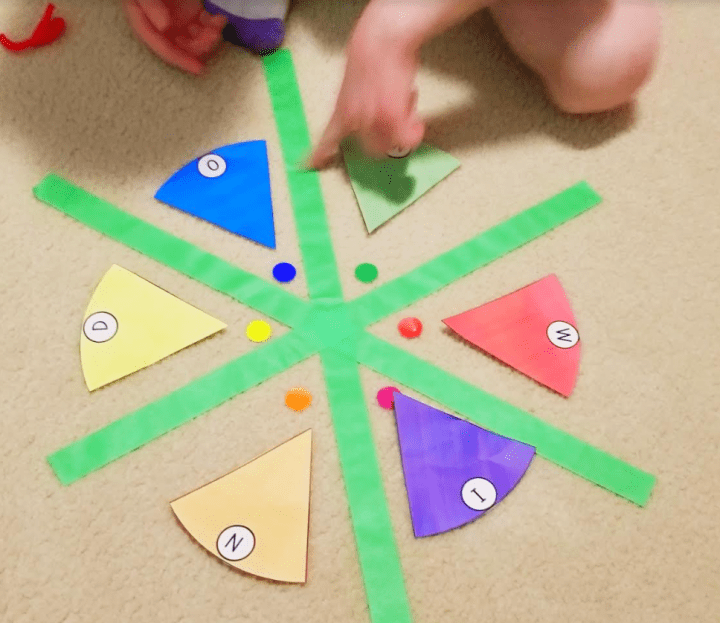
Play at Home Escape Room Game
Grab a copy of Hands-On Teaching Ideas most popular, Free Escape Room Game. Print and set up around your home. Turn ordinary items, like shoes, pillows and a sofa into key pieces of mystery for the game.
For a bit more of a challenge, check out a Medieval Escape Room Game. Solve math and number problems and lots more!
If you like the idea of hands-on puzzles for players to solve, but also like the time saving benefit of printable puzzles, look at a make your own escape room with a mix of printables and hands on clues.
You can also find lots of themed escape room games for various seasons and celebrations including a free winter escape room game.
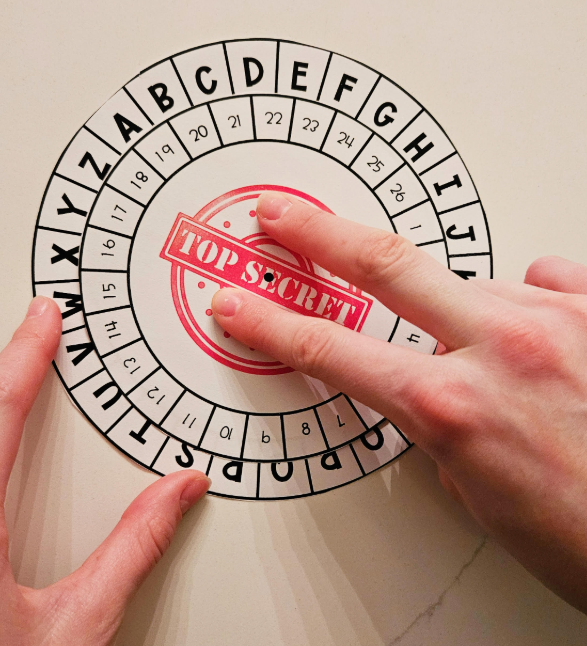
A popular escape room puzzle is a cipher wheel, or decoder wheel. Print a free copy and design it to fit your escape room theme.
Escape Room Ideas Using Household Materials
You can make your escape room as fancy, or as simple as you want. I suggest starting with simple materials because players are familiar with them and how they work. It is also a fun way to turn an ordinary object into something special. Below are some simple escape room ideas using things you probably already have around your house.
Write a clue on a piece of paper, crumple and rip it up and put it in the trash can. Players must find it and put it back together to get the clue.
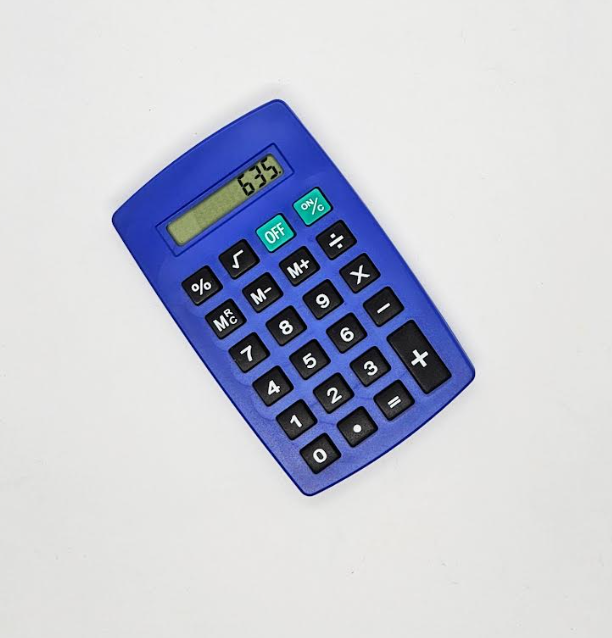
Provide a calculator and a very challenging math problem. Players must use the calculator to solve the math question. The numerical answer may be a number combination or associated with something else in the room.
Include one or several books in the room. Provide a clue with directions/suggestions to a certain book. Write a list of page numbers and clues, such as, “Check the third word on the tenth page. Next, check the eighth word on page fifty five.” Together these words give players their next clue, or location of their next clue.
Within a clue, tell players to search for a specific color. Players then search objects in the room that are that color and inspect these colored items carefully for their next clue.
Find the Pair
Place a number of items in a box, or on a table that each have a related pair. For example, toothpaste (toothbrush), a shoe (the other shoe), shampoo (conditioner) and players have to find the pair in the house. A word will be taped to the bottom for the next clue.
Use soap to write a clue on the mirror. Shower steam reveals it.
Write a clue for players to count specific things in the room to reveal a number code for a combination lock. For example, count the number of forks, stairs to go upstairs, coffee mugs etc.
List rooms in the house and put a post it note in each room with a word. When the rooms are visited, in order, players find the note in each room. When read in order they reveal a clue.
Escape Room Ideas Using Popsicle Stick
Popsicle sticks are one of the easiest materials to turn into an awesome clue! They are also easy and inexpensive to purchase. You could create a room full of popsicle stick puzzles, or mix them in with other escape room ideas. I like using popsicle sticks because it turns an ordinary object into something extraordinary.
Place a collection of popsicle sticks together in a room. Each stick has a number and letter printed on it. A clue tells players what order to put the numbers in to reveal a code or message in the letters.
Place the sticks side by side and draw a picture or print a message across the sticks. Scramble the sticks and place them in the room. Players have to use the lines you drew on them to put it together as a puzzle.
Put numbers and colored dots on sticks. Direct players to line up a specific color that appears on each stick. When the colors are lined up, a set of letters will also line up to reveal a word/message.
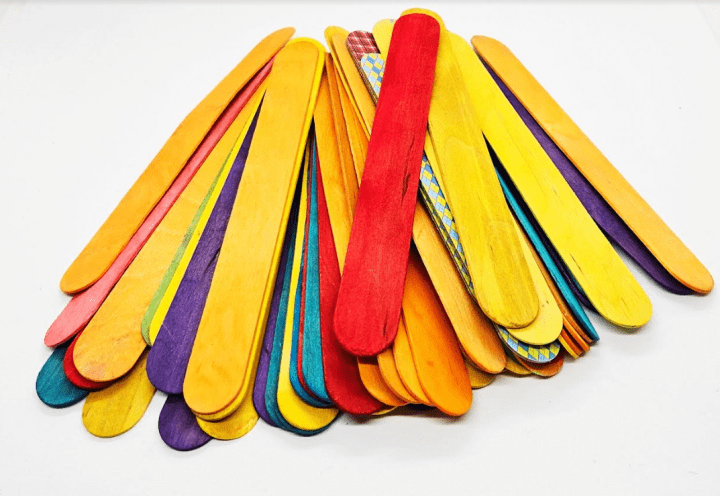
Stack the popsicle sticks and draw a message on the side/edge of the sticks. Each stick will only have a small mark, but when they’re all lined up a code will be clear.
Print a picture or message from a printer and glue it onto a row of sticks. Once dry, cut so that the sticks are separate. Players have to put the sticks together to see the whole picture.
Include one popsicle stick with each puzzle that players find around the room. On their own the stick doesn’t mean anything, but once each of the puzzles are solved and all of the sticks are together, a final clue can be found.
Number Based Escape Room Ideas
Numbers are often found in escape rooms. Often numbers mean something special. Sometimes it’s a number lock and sometimes it’s counting items to get a specific number. Whatever the numbers are, they’re a great part of any escape room.
Give math problems for players to solve. Include a page with a list of numbers/answers and each corresponds with a letter. Once the correct answers have each been matched to a letter, unscramble the letters to spell a word to lead to the next clue.
Use an old clock and take out the battery. Freeze the time on a code. For example, 4:51. This number can be a number lock or lead to another clue.
Write a short note telling about an elapsed time. For example, Joey went to the store from 1:00 until 5:45 pm. How many minutes passed? The answer is the number code for the lock.
Include a calendar in the room that players have to check certain dates. Written on these certain dates, on the calendar, players find special letters or a message.
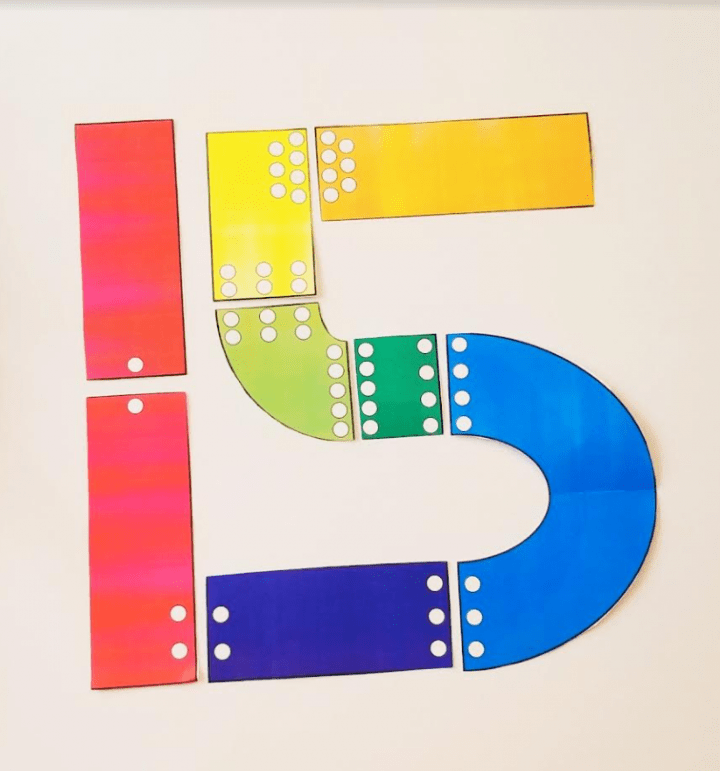
Create a number puzzle that players have to match pictures on the ends to make a number out of the pieces.
Share a date for players to convert to a four digit number. For example, July 23rd is 0723.
Math Clue
Place a collection of money in a purse in the room. Players find the purse and have to count to find the total amount. The dollar amount is the number for a combination lock.
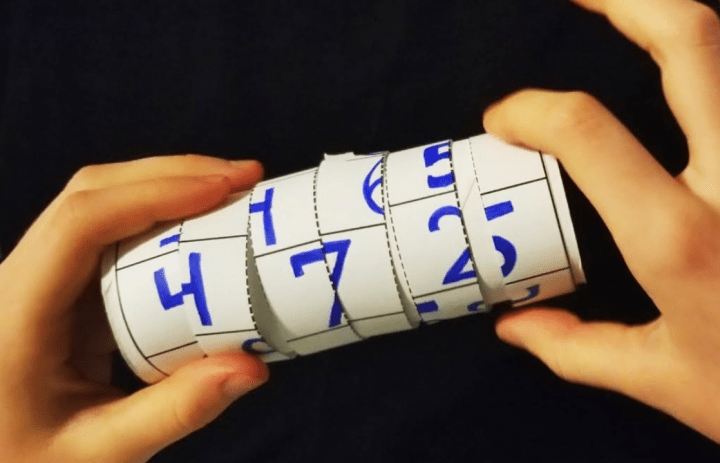
Print a number across a sheet of paper with various lines. Only one line actually lines up to make a three digit number. The other lines look like numbers, but don’t actually line up. Cut and attach the strips across a paper towel roll. Players move and twist the strips to find the one clearly written number.
Escape Room Ideas + Language Based Clues
As a teacher, I have used escape room puzzles in my room many times throughout the years. Sometimes I take just one puzzle and we work together to solve it, other times I create the whole game. Language clues are a great way to add some learning to your escape room. They are also easy to mix into any escape room for players of varying ages and experience. Below are some ideas that use letters, the alphabet and other literacy focused ideas.
Create a word search. The leftover letters in the word search reveal a word or code for players.
Make an alphabet code. Choose 26 pictures. Each picture corresponds to a letter. Give players a list of pictures that they then have to match to a letter. Once each picture is matched and letter found, a message is revealed.
Create a crossword puzzle where each of the intersecting letters unscramble to give players a message.
Give players a message that the clue is hidden behind a series of carefully written riddles. Players have to read carefully and understand the riddles to move onto the next clue.
Scramble letters from a few words. Players must work to unscramble the letters. Once unscrambled, specific letters are circled for players to signify they are special. Put together these letters direct players to the next clue.

Write a poem that the first letter of each line spells out a message for the next clue.
Find the Object Escape Room Idea
Print a list of objects from the room for players find. Taped to the bottom of each item is a letter or word that when put together, spells the location of the next clue.
Place random letters in a bag in the room for players to find, such as scrabble letter pieces. On their own they appear randomly placed. However, once players find them all and unscramble them a clue is revealed.
Create a maze on paper that as players find their way through to the end, they draw a line through several letters on the path. Together the letters spell the next clue.
Tape letters on the floor in a grid pattern. Give players coordinates. Each coordinate gives a letter to then put together to spell out a word.
Create a note for players that on its own doesn’t give players any real information. However, when they look closely at the message they notice that some of the letters stand out from the main message. Together these letters reveal a clue.

Puzzles that Use Technology
Using technology in an escape room is always a fun element to add. The puzzles below each use some type of technology, whether it’s a recordable button or the use of a phone call, this style of puzzle is a great way to keep kids engaged.
Use an online program to create a QR code that gives players a clue.
Play music in the background as players work on puzzles in the room. The music seems unimportant at first, but a clue leads players to pay more attention to it. The song may be about a certain thing that can be found in the room or even a specific artist that leads to something in the room.
Players ask a smart assistant for the next clue.
Give a phone number for players to call. Have a friend ready to give the clue!
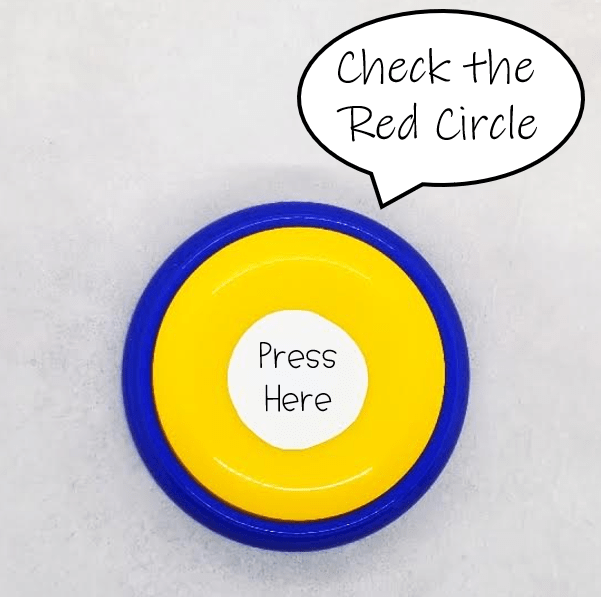
Recordable buttons are an easy way to deliver a clue to players. Pre-record a message or code for players to decode.
Phone Call Clue
Call players during the game. Have a friend ready to call at some point during the game to give a clue. You can hide the phone so players only hear it and then find it when it rings, or lock it in a box.
Direct players to check a computer browsing history. The list of sites directs players to the next clue.
Play a sound in the background that reveals a clue to players. It can be repeated sounds, such as dog barks or police sirens, that players need to count how many times they hear each sound to get the next clue.
Players find a USB that contains files or puzzles.
Try an online escape room game – this one is for young children learning to read, but there are lots available online that can be played in the comfort of your own home.
Escape Room Ideas with Paper
Sometimes all you need is a sheet of paper to make a great clue! Whether it’s a welcome letter or your whole game is printed puzzles, sometimes the simplicity makes it even better than a fancy escape room. I find the mix of simple puzzles and unique hands-on clues make the best rooms.
Fold a sheet of paper in a unique way and draw or write a clue on the inside of the folded parts. Unfold and draw more pictures and messages in a different color marker or pen. Instruct players how to refold the page to discover the hidden message.
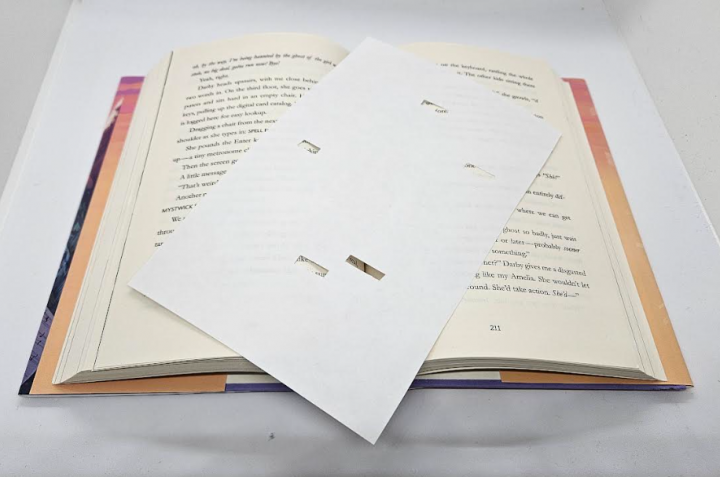
Place a sheet of paper over a page in a book. Cut out rectangles to reveal specific words. Together these words tell players the location of the next clue. Give players the page with the random cut out rectangles, and reveal to them what book and page to line it up with.
Cut a sheet of paper into various squares. On each square print a word. Together these words create a message. Place each of the words around the room. Players must find all of the words in order to understand the clue.
Escape Room Puzzles Using Boxes
Walking into an escape room and seeing locked boxes is exciting. Players know that there is something waiting for them inside the box. There are parts of the room that are waiting to be discovered. Turn an old box into a special part of your escape room with the ideas below.
Turn an old box into a mystery. Grab a free printable lock box and make one out of a sheet of paper.
Hide a clue or key in a box, but out of plain view. A secret part of the box must be lifted or searched in order to find the key. Something like a false bottom.
Place each clue in its own box. When each puzzle is solved, players are given a number which directs them to their next box. The boxes can all be placed and visible when players enter the room, or hidden around the room.
Escape Room Puzzle Ideas
Instead of a locked box, use a series of boxes or containers, each with a number printed on top of the box. In each box place a different number of beads. Players shake the boxes and guess, based on the sound, which box has the least number of beads, to the greatest number, and put them in order. When placed in order the numbers on the top of the boxes are the next lock combination.
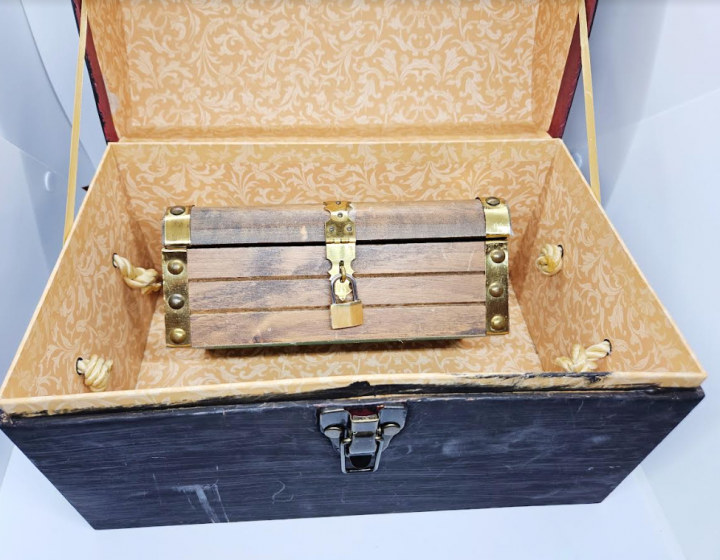
Place a locked box, inside a locked box. Player will think they have solved a puzzle when they open the first locked box, only to find another locked box!
For an even more complicated clue, connect something with a screw or latch somewhere in the room. Players must find a screwdriver in order to access the clue.
Lock one box with several locks. Several puzzles must be solved in order to open the box. One by one a lock is removed until all puzzles are solved and the prize inside the box is revealed. This is a great idea for a classroom escape room as players must answer a series of questions in order to win.
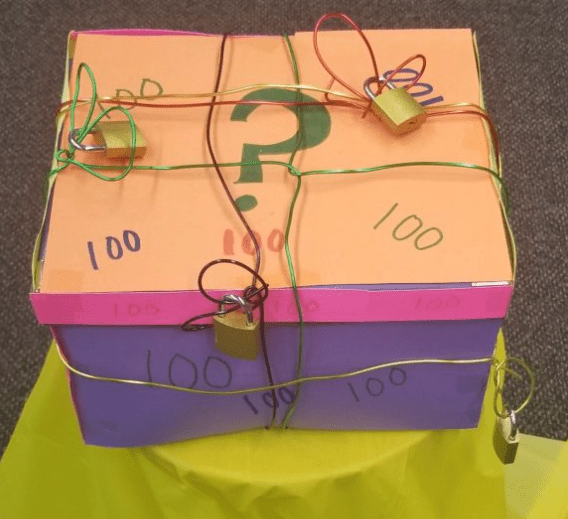
Place a hidden message inside a box. The box cannot be opened and nothing is visible inside. However, when a flashlight is found, shining it inside a number can be seen.
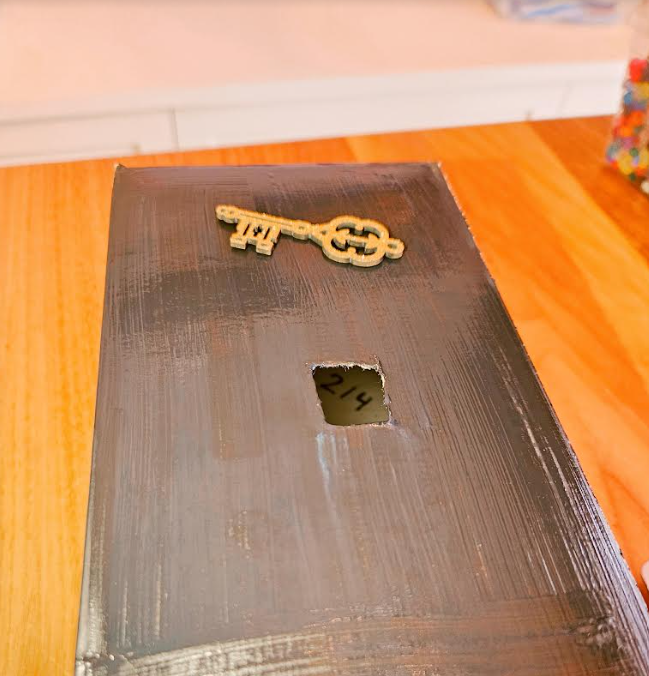
You can also purchase an escape room box puzzle. Use this hand held puzzle to challenge players to solve clues, twist, turn and explore and have the whole escape room in your hands.
Puzzles with Liquids
Liquids are fun to add to your escape room. Whether the liquid is water, paint or specially made colored water, there is lots you can do with liquids! Whether the message is hidden by a liquid or a liquid must be used in some form to find a clue, it’s an easy way to add something fun to your game.
Make what looks like a bath bomb, with just baking soda, water and food coloring. Hide a key or message inside. Players must run the bomb under water to find what’s inside.
Use a white crayon to print a message. Include colorful paint and a brush in the room. Players paint over top to reveal the message.
Use color changing paper to hide a clue. This special sticky paper can be placed on a cup or container in the room. Include a water bottle with ice cold water or hot water for players to pour into the cup. This, in turn, will reveal a new color. The color can be associated with something else in the room. This is a really special clue to add to any escape room.
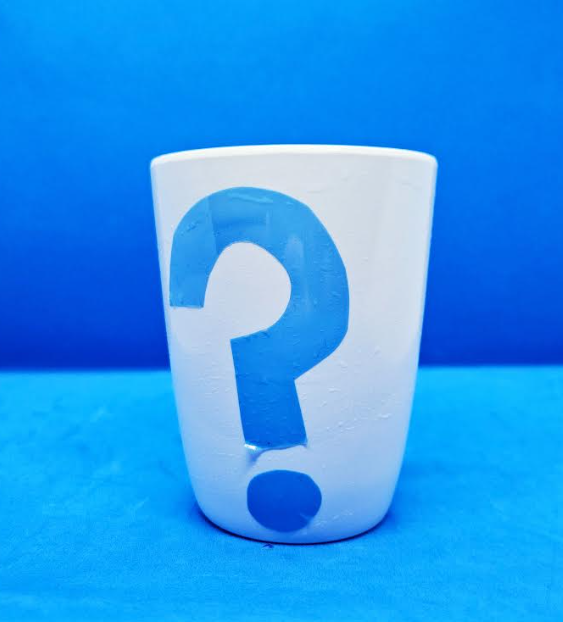
Have a key or clue attached to something that floats in an empty jar. Players find water somewhere in the room to pour into the jar to raise the key to be able to get it out.
Use a dark colored liquid and add something like milk to reveal a message written on the cup.
Frozen Treasure Clue
Put a key in ice and freeze the water. Players can either chip away at the ice, hold the ice to melt it or wait for it to melt enough to get the key.
Add some science to your escape room by making a pH scale. Make a special liquid from cabbage that will change colors when a base, or acid is added. Players will add one of these ingredients and a new color will be revealed.
Hide a key in dark colored water and have players find a magnet. When the magnet is dragged around the container players will discover that there is a key inside. The key will be attracted and connect to the magnet. The key can then be removed to unlock the next clue.
If you’re creating an outdoor escape room, try a full bin of water balloons. Inside one of the balloons include a key or message.
I hope that from all of the escape room ideas above you feel inspired to create your own escape room game. Keep it simple and choose puzzles that you are drawn to. If you find them interesting, then you’ll be able to create a great room!
Subscribe to Hands-On Teaching Ideas
Many of the escape room ideas featured above include printable puzzles or clues. Make sure to grab these printables from hands-On Teaching Ideas. Subscribe below by clicking the box and subscribe through Grow. When you subscribe this way you will immediately get the link to the Free Resource Library. Here you will find over 150 free resources. When you subscribe through Grow you will also unlock all of the other freebies on each page.
